

Summer Research
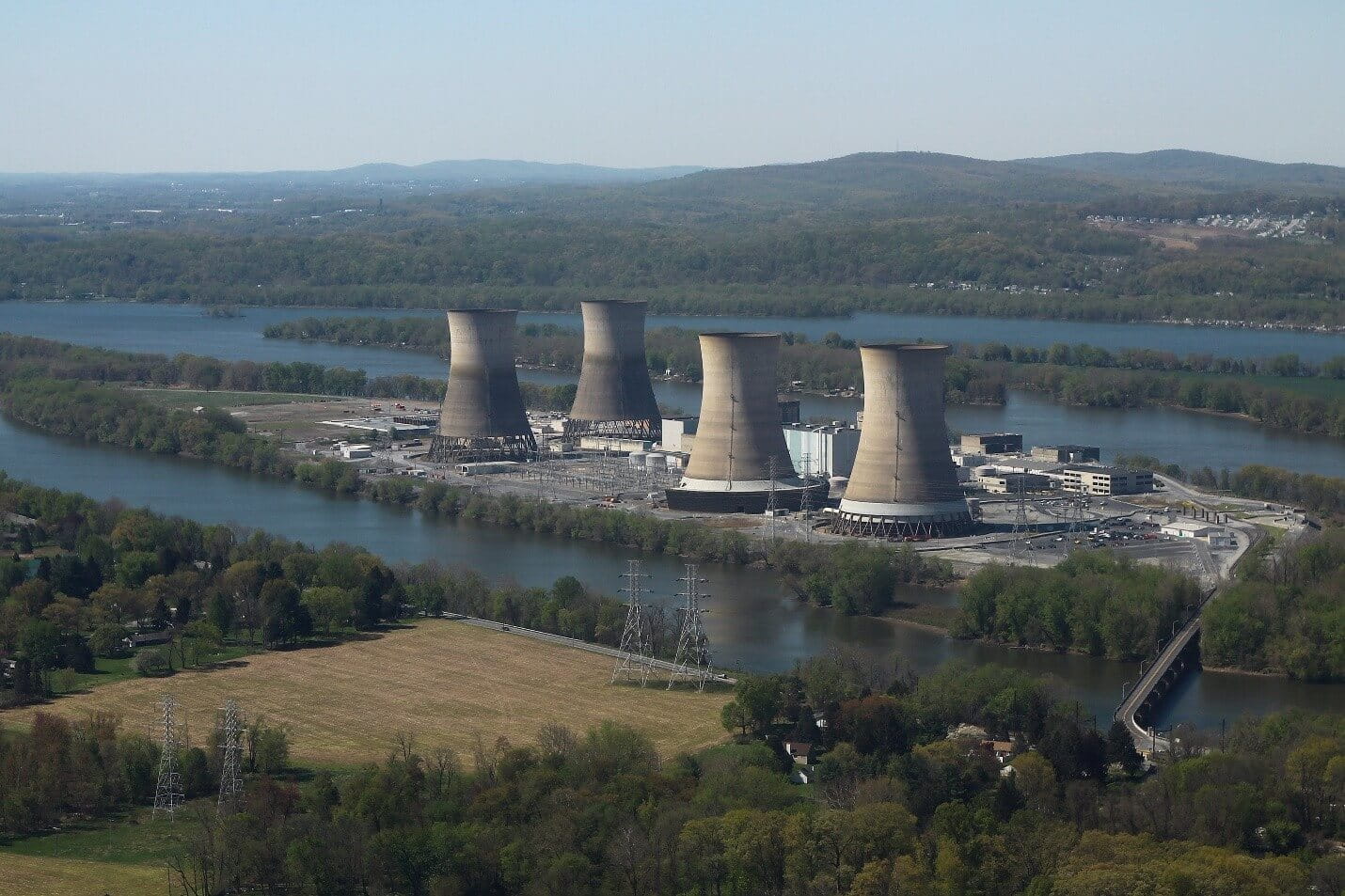
Image of Three Mile Island courtesy its Wikipedia page.
I hired a part-time student named Liam Hellbach to do research for me all summer. He’s about to start his final year at Concordia. I’ll link to his LinkedIn after he updates it.
His last day was just over a week ago. His job was to answer one specific question: what do headlines tell investors about market performance?
Booms and busts always look different in real time. Headlines make every year feel different from the last. And the decade, the technology, and the villain of the day are always different. But investor behaviour is often the same. And all the headlines do is tell investors a story. Whether that story is useful is a whole other question.
Liam looked at a few calendar years for me. I’ll be writing posts over the next few weeks about several different years using his research (and a bit of my own). Here’s a teaser for just two of them.
1968
Theme: the “we’re winning in Vietnam” narrative took it on the chin after news of the Tet Offensive broke. And MLK and RFK’s assassinations deepened political and social turmoil. Note: the My Lai Massacre did take place in 1968, but the news didn’t break until 1969.
Crowd: investors chased “go-go” fund managers, who loved trading speculative stocks. Research published around this time also found little evidence that professional fund managers could reliably outperform random stock picking.
Fed: Chairman Martin Jr. warned of a financial crisis and pushed for tax hikes. To combat inflation, the Fed tightened by raising interest rates and reserve ratios.
Market: Despite a bad theme and a restrictive Fed, the S&P 500’s total return in 1968 was about 15%.
1979
Theme: the Iranian Revolution cut off a chunk of the oil supply from markets, and then the Three Mile Island incident crushed the public’s confidence in nuclear power.
Crowd: inflation was running rampant, so investors bought gold hand over fist.
Fed: Chairman Miller opposed aggressive interest-rate hikes and argued that inflation was caused by non-monetary factors (like an oil price shock). Inflation hit 13%, Miller got “reassigned.” And President Carter replaced him with “Tall Paul” Volcker, who started raising rates.
Market: The S&P 500’s total return was about 18%.
I’m looking forward to sinking my teeth into more of Liam’s research.
Note: we get our S&P 500 return data from Nick Maggiulli’s site.