

Estate Planning
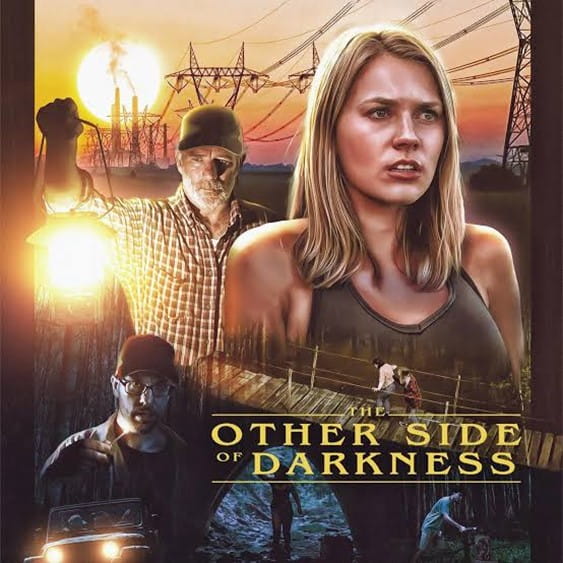
This movie came out in 2022, but in S8E13 of Seinfeld (from 1997) Kramer watches a movie with the same title, and it scares him into getting his will done. Now that’s a way to start estate planning.
Estate planning is interesting in that you don’t benefit from it until you’re dead. So you don’t really benefit at all. Unless you believe in the afterlife. But I don’t want to talk about that.
I also don’t want to talk about powers of attorney, advance care planning, or disability or critical illness. For some reason those documents and products are considered part of the estate planning process, even though you’re alive if and when they’re enacted. So today I’m only talking about the death part of estate planning.
I pick on a specific segment of advisors (i.e., the unsuccessful or insecure ones) who use estate planning as some sort of value-add or value-justify. It’s neither of those things. Estate planning is part of the job. And it’s a lot more than just naming who gets your money when you die.
What happens to your business? The person who will run it probably isn’t the person who will inherit it, so how does the person running it buy out the person who inherited it?
And your minor children? Your grandparents are in their 80s, your sister has three kids of her own, and your brother is terrible with kids. Who’s going to raise your five- and seven-year-old?
What about adult children? Your daughter is fantastic with money and can handle a lump sum inheritance, but your sons are both bankrupt. Should they get money when you die or a decade or two later?
Estranged children, problem children, and stepchildren are still your children. How do you allocate a portion of your estate to people who have disowned you or hate you or don’t want money from you?
You want things to go to your current spouse and not a former one. You forgot to update the beneficiary designation on that old insurance policy. Your former spouse will be doing backflips. Your current one will probably never find out (unless they’re your executor).
Then there’s your ex-son-in-law who you still love. How will you leave him something without your daughter (or other kids) finding out? He is raising your grandkids, after all.
Who gets your jewelry and fancy watch? One of your nieces loves diamonds. One of your nephews loves Swiss watches. How can you make sure they get them without issue?
And the family cottage no one wants to sell but no one wants to talk about? I know you’ll be dead and it’ll be the next generation's problem. But it’ll be ugly unless you get ahead of it.
What about the charity you’ve been donating to for the last three decades? How much will you want to leave them? What about a donor-advised fund?
Privacy is important. Once you die, anyone can pull your will for a small fee. Probate is public record. You could set up a trust, or use segregated funds, or – heaven forbid – you could use life insurance to maintain privacy.
Then there’s the government. You definitely don’t want them to get much if anything. What can you do today to avoid a mountain of taxes when you die? A lot. It’s called estate planning for a reason.
And finally, who will feed your cat or dog? You’re not around and they need their breakfast, lunch, and dinner. If they miss a meal or two they’ll destroy the furniture. But you’re dead, so it’ll be OK. Hope your hungry cat doesn’t eat you if you die at home.
That’s a small part of estate planning. Not “let’s name your beneficiaries.”